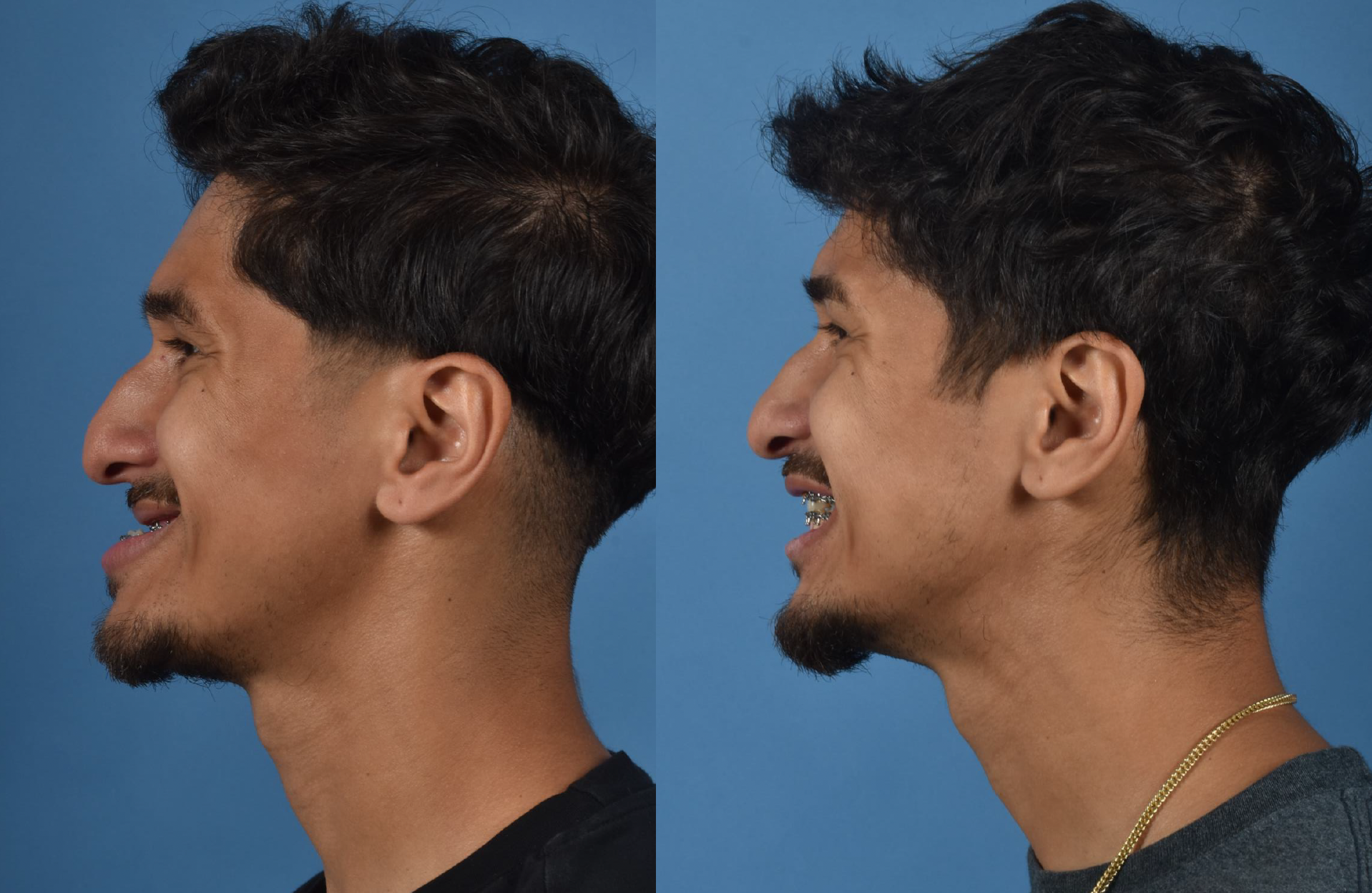
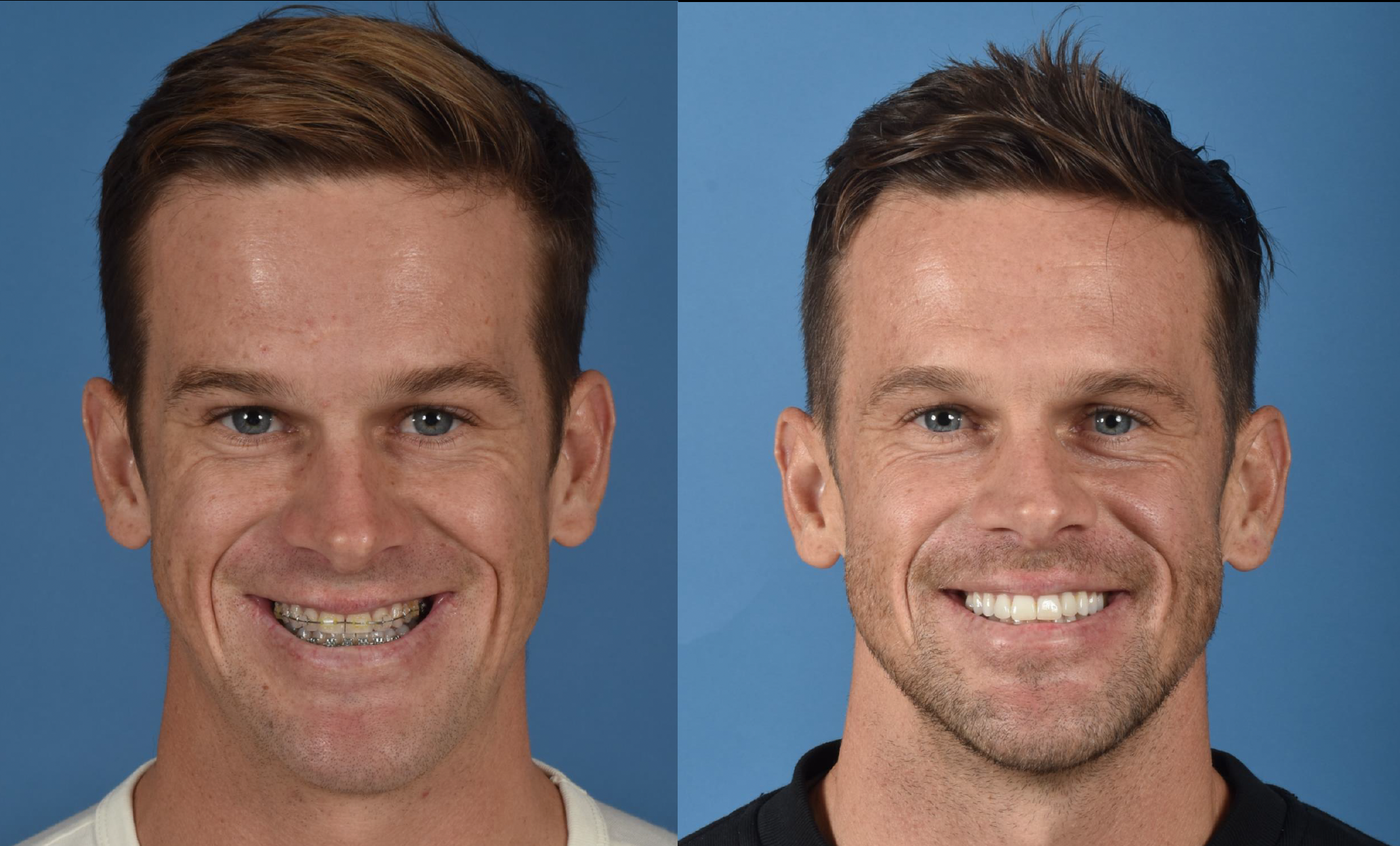
Jaw Surgery
Jaw surgery, also known as orthognathic surgery, is a transformative procedure used to correct irregularities of the jawbones and improve alignment, facial symmetry, and overall function. As a Clinical Professor of Plastic Surgery, Neurosurgery, and Pediatrics at UCLA, Dr. Jarrahy works closely with orthodontists, oral and maxillofacial surgeons, and other specialists to guide patients through every step of the jaw surgery process—from initial evaluation to surgical correction and long-term follow-up.
Jaw surgery help correct
Open bite or underbite
Overbite or crossbite
Jaw misalignment causing TMJ issues
Facial asymmetry
Speech or chewing difficulties
Sleep apnea due to airway obstruction

Surgical Process and Recovery
Jaw surgery is performed in a hospital setting, typically requiring an overnight stay. Patients are placed on a modified diet postoperatively and may experience temporary swelling, bruising, and discomfort, which are managed with medication and rest. Most patients are able to return to school or work within 2–4 weeks, though full healing may take several months.
Dr. Jarrahy and his team provide detailed postoperative guidance, including jaw exercises, hygiene tips, and dietary recommendations. Regular follow-up ensures the bones are healing properly and that functional improvements are maintained.