Press
Severely damaged face saved by THE best; Dr. Reza Jarrahy!
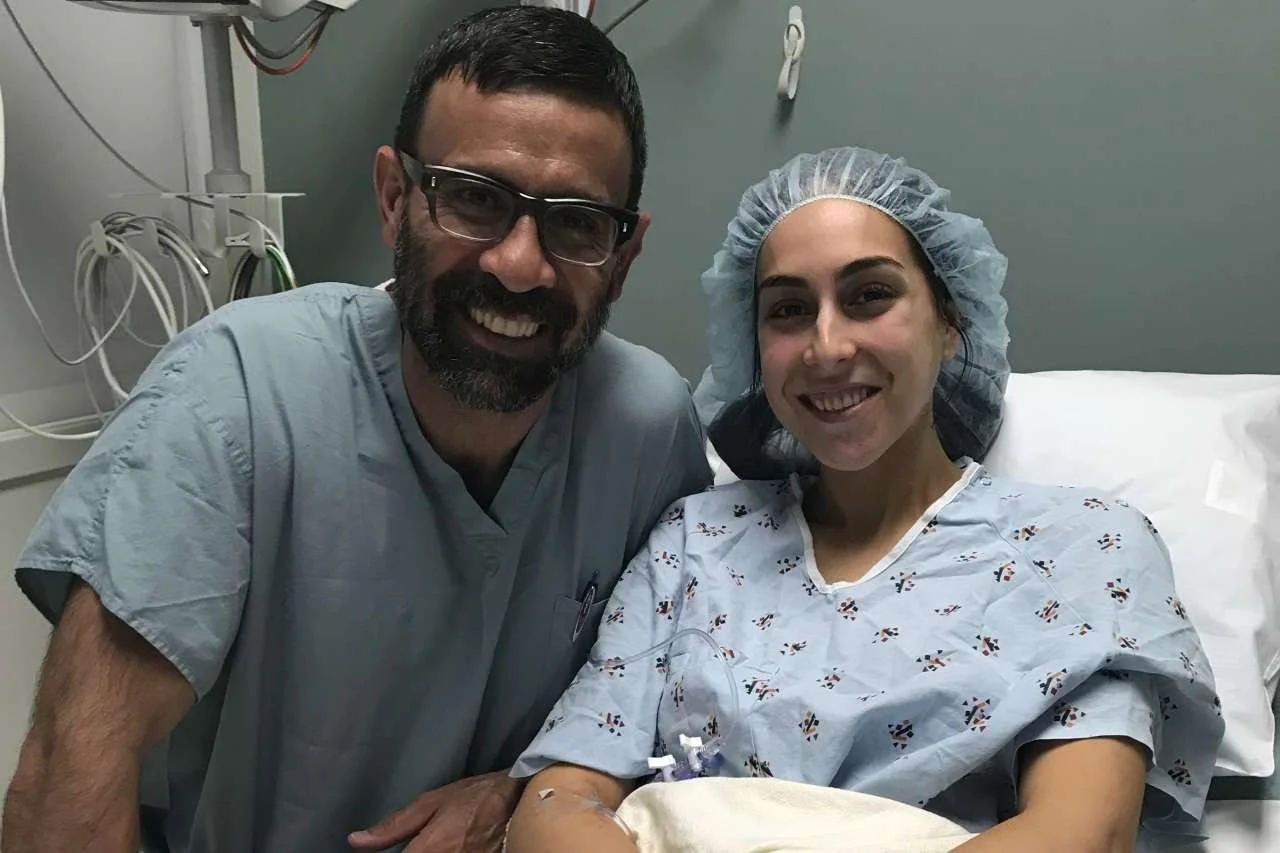
In 2017, a nearly fatal ATV accident in Greece left a young woman with severe facial trauma and multiple life-threatening injuries. After emergency care abroad, her family brought her home to UCLA, where Dr. Reza Jarrahy—a renowned craniofacial surgeon—stepped in. With compassion, precision, and eight hours in the OR, Dr. Jarrahy began restoring not just her face, but her confidence, hope, and future.
Dr. Jarrahy is one of the best!
After a traumatic car accident left a patient with a head injury, broken nose, and deep facial laceration, Dr. Reza Jarrahy stepped in—literally in the middle of the night. His skilled hands and compassionate heart made all the difference. With precision surgery and continued care, he restored not just the patient’s appearance, but their confidence.
Balancing Act
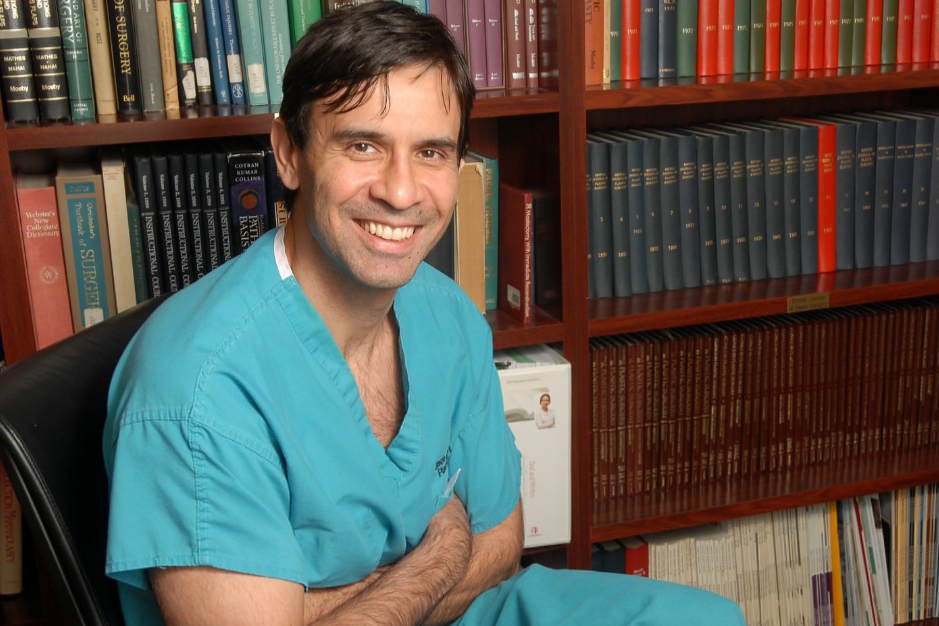
Dr. Reza Jarrahy is far more than a world-class craniofacial and aesthetic surgeon—he’s a man who leads with purpose both in and out of the O.R. From long days at UCLA’s Craniofacial Clinic to coaching his kids’ soccer teams, and from global outreach missions to early-morning workouts, Dr. Jarrahy masterfully balances precision in surgery with passion for service and family.
Read how Dr. Jarrahy’s immigrant roots, his father’s example, and his own deep belief in access to care inspired him to found the Foundation for Craniofacial Surgery and dedicate his life to helping patients around the world—one face, one heart at a time.
UCLA professor, plastic surgeon Reza Jarrahy travels to Guatemala as part of Mayan Families organization to treat congenital deformities
Ten years ago, Dr. Reza Jarrahy made his first trip to Guatemala with a team of surgeons—and returned forever changed. From converting former war-torn military barracks into operating rooms to building $15 stoves in smoke-filled huts, Dr. Jarrahy’s work goes far beyond the operating table.
Now a regular visitor to Guatemala, he treats cleft lip, palate, and congenital deformities that, while not life-threatening, can define a child’s future. In a country where a cleft can keep a girl from marrying, a one-hour surgery can restore dignity, confidence, and opportunity.
Read how Dr. Jarrahy blends world-class skill with deep compassion to transform lives—both in the U.S. and around the world.
Protect Yourself from Facial Injection Disfigurement
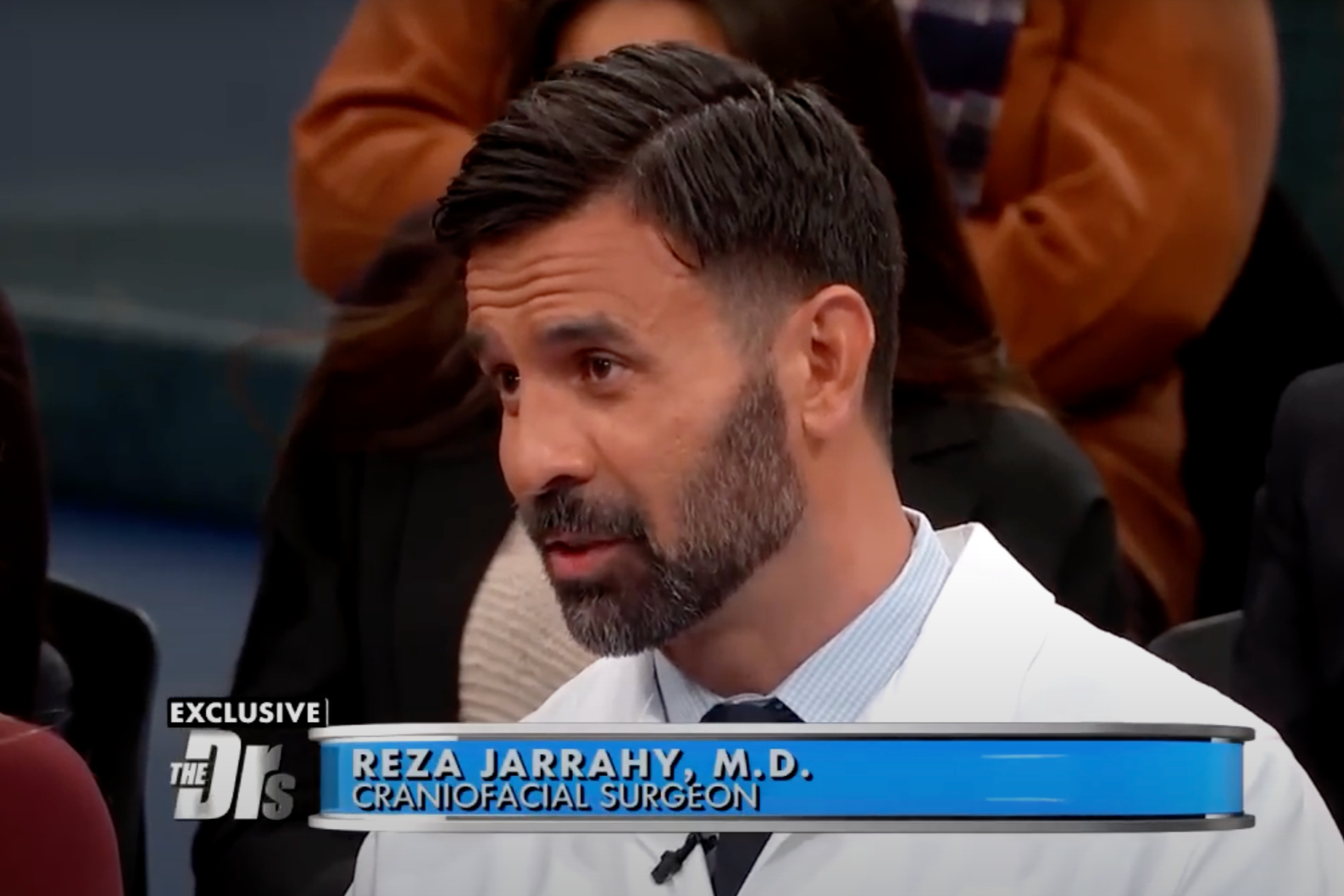
Youtube video: Carol wants to make the disfigurement she’s suffered from facial injections never happens to anyone else. She joins The Doctors with craniofacial surgeon Dr. Reza Jarrahy, who helped give Carol her life back, to warn people about the potential danger.
Facial Rejuvenation
Watch UCLA’s Dr. Reza Jarrahy share expert insights on facial rejuvenation techniques, blending artistry and advanced surgical skill to help patients look and feel their best. Featured by Robb Report, this video highlights innovative approaches to enhancing natural beauty with precision and care.
At the Crossroads: Medicine and Culture in Latin America
Discover how indigenous healing traditions and modern medicine come together across Latin America. Featuring UCLA’s Dr. Reza Jarrahy, this symposium offers a fascinating look at culture, belief, and the evolving landscape of health care.
Half of plastic surgeons used social media in practice
How are plastic surgeons using social media to connect, educate, and grow their practices and what ethical challenges come with it? UCLA’s Dr. Reza Jarrahy led a national study revealing that half of surgeons now use platforms like Facebook and LinkedIn to engage with patients and peers. The findings uncover both the power and the pitfalls of digital medicine, and why balance, professionalism, and purpose matter more than ever.
At The Crossroads: Craniofacial Surgery & Culture In Mexico: Film Screening and Discussion
Join UCLA’s Dr. Reza Jarrahy for a special screening of the award-winning documentary Beautiful Faces — a powerful film celebrating the life-changing medical and humanitarian work of renowned Mexican pediatric craniofacial surgeon Dr. Fernando Ortiz-Monasterio and his team at Hospital General Dr. Manuel Gea González in Mexico City.
UCLA launches face transplant program
UCLA has launched the first face transplantation program in the western United States — one of only a few in the nation. Led by surgical co-director Dr. Reza Jarrahy, the program aims to restore both form and function for patients with severe facial trauma or deformities.
Through this groundbreaking clinical trial, UCLA is seeking qualified patients to undergo facial transplantation and long-term follow-up. As Dr. Jarrahy explains, “Our goal is to return a sense of normalcy to our patients’ lives — giving them the chance to live fully, without being defined by facial appearance.”
Surgical Repair of Phrenic Nerve Injury Improves Breathing
A new UCLA-led study reveals that phrenic nerve reconstruction can restore natural breathing in patients with severe respiratory difficulties — with 89% showing measurable improvement.
The procedure targets injuries that disrupt the nerve’s signal from the brain to the diaphragm, often caused by surgeries or trauma. Researchers say this breakthrough could transform treatment for thousands living with breathing impairment each year.
UCLA launches first face transplantation program in western US
UCLA’s first face transplant program in the western U.S., co-directed by Dr. Reza Jarrahy, offers life-changing surgery for patients with severe facial injuries. The program combines cutting-edge microsurgery and transplant medicine to restore both appearance and function, helping patients regain confidence and normalcy.
Clinical trial participants are being sought — carefully matched to donors and committed to long-term follow-up. With only 19 facial transplants performed worldwide, this program represents a groundbreaking step in reconstructive surgery.
Surgical repair of phrenic nerve injury improves breathing
A UCLA-led study found that reconstructing the phrenic nerve can significantly improve breathing and physical activity for patients with nerve injuries. The phrenic nerve controls the diaphragm, the primary muscle involved in breathing, and injuries can leave patients winded by everyday tasks or even cause sleep problems.
Such injuries can result from surgeries, scar tissue, or other medical procedures, affecting an estimated 5,000–10,000 people each year. Surgical reconstruction offers hope for restoring normal breathing and quality of life.
Plastic surgeon helps save patient from permanent disfigurement
After a botched cosmetic procedure left her with severe facial disfigurement, Carol Bryan became a recluse, hiding from the world for years. Non-board-certified injections caused infections and tissue damage that compromised both her appearance and vision.
Carol turned to UCLA and ASPS member Dr. Reza Jarrahy, who, through a multistage reconstructive plan, repaired much of the damage. Procedures included forehead reconstruction, cheek contouring, and multiple revision surgeries — restoring both form and function.
Today, Carol has regained her confidence and comfort in the world. Inspired by her experience, she became a patient advocate, launching Saving Face, a nonprofit dedicated to educating the public on aesthetic safety and helping others avoid similar tragedies.
Culture matters, especially in medicine
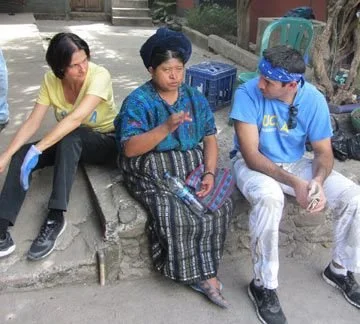
Dr. Reza Jarrahy realized that providing surgical care abroad requires more than technical skill — it demands understanding patients’ cultural and living conditions. In Guatemala, he observed that crowded homes, wood-burning stoves, and malnutrition were contributing to post-surgical complications among young patients.
To address this, Jarrahy helped implement a sustainable solution: providing easy-to-assemble concrete and ceramic stoves to reduce smoke inhalation and improve health outcomes. He also trains a local Guatemalan medical officer, who now oversees post-surgical care and communicates regularly with Jarrahy, ensuring continuity and local ownership of the program.
Lighting the Way for Child Health
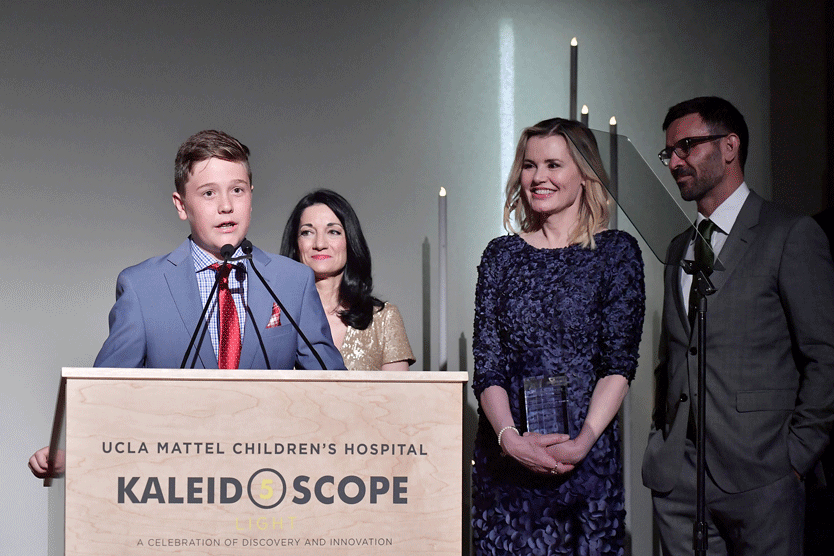
The fifth annual Kaleidoscope: Light fundraiser illuminated the night — and the future of pediatric health — raising $2.35 million for UCLA Mattel Children’s Hospital and the UCLA Children’s Discovery and Innovation Institute.
Amid thousands of hanging candles and heartfelt speeches, the evening honored those who make extraordinary healing possible. Among them was Kaiis Davis Jarrahy, recipient of the Extraordinary Children’s Award — a former UCLA Mattel patient whose strength and optimism carried him through a life-threatening battle with sepsis.
With appearances by stars like Gwyneth Paltrow and a surprise performance from Chris Martin, the true spotlight remained on the children whose courage continues to inspire the groundbreaking work of UCLA’s physicians and scientists.
At the Crossroads symposia series continues to inspire
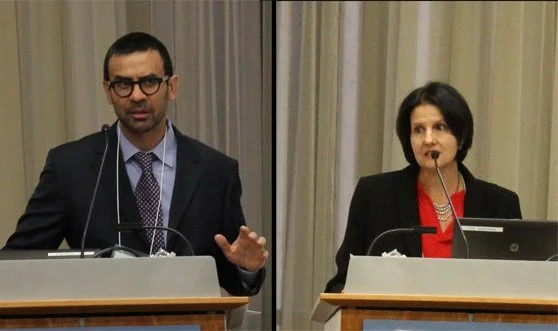
At the final symposium of UCLA’s six-part At the Crossroads: Medicine, Surgery and Anthropology series, experts emphasized that sustainable medical aid depends on partnership — not imposition. “One key element of successful, sustainable medical aid is to partner with local doctors, nurses and volunteers, rather than imposing on and/or excluding them,” said Dr. Daniel Levi.
Spearheaded by medical anthropologist Dr. Bonnie Taub and UCLA surgeon Dr. Reza Jarrahy, the event — Humanitarianism, Medicine and Anthropology in Latin America — united physicians, anthropologists, and policy leaders to explore how interdisciplinary collaboration can transform health outcomes in underserved regions.
UCLA is only West Coast medical center to offer pioneering surgery for phrenic nerve damage
After years of struggling to breathe and being told “nothing could be done,” San Diego resident Powell refused to give up. His search for answers led him to discover a little-known condition — phrenic nerve injury — and ultimately to UCLA surgeon Dr. Reza Jarrahy, who specializes in repairing the nerve that controls the diaphragm.
Working alongside Dr. Matthew Kaufman, Dr. Jarrahy identifies and releases scar tissue or uses nerve grafts to restore communication between the brain and the diaphragm — giving patients a second chance at normal breathing. Since teaming up in 2013, the two surgeons have treated more than 100 patients, with up to 80% experiencing partial or full recovery. For Powell, that meant more than breathing easier — it meant getting his life back.
Many plastic surgeons view social media as important tool for promoting their practice
A UCLA study led by Dr. Reza Jarrahy found that nearly half of plastic surgeons now use platforms like Facebook, LinkedIn, and Twitter to connect with patients and peers. “Social media is a powerful tool to educate, engage, and communicate,” said Dr. Jarrahy, associate clinical professor of plastic and reconstructive surgery at UCLA.
The research revealed that social media helps increase visibility, referrals, and patient education—though many surgeons still emphasize the importance of maintaining professionalism and ethical standards online. Dr. Jarrahy believes plastic surgeons are uniquely positioned to shape the future of ethical, impactful social media use in medicine.
Guatemalan mission: UCLA Health surgical team provides life-changing care
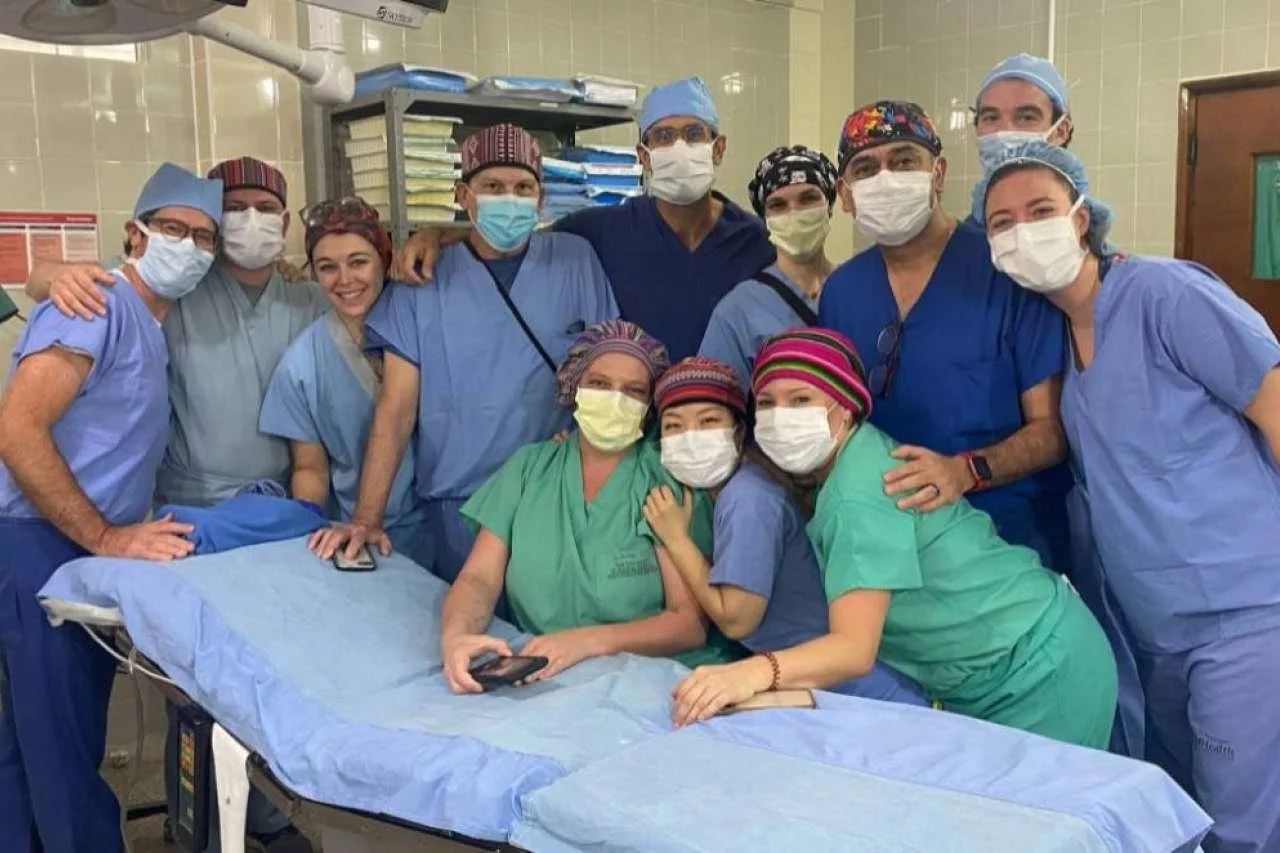
In the remote Guatemalan village of Nuevo Progreso, a UCLA Health team of surgeons, doctors, and nurses performed over 50 life-changing procedures in just one week — including reconstructive surgeries for a 12-year-old girl whose burns had fused her neck, and a 19-year-old man born with a severe cleft lip and palate.
“It’s health care in its purest form,” said Dr. Reza Jarrahy, pediatric craniofacial plastic surgeon, who has volunteered in Guatemala more than 20 times. “Delivering care to those who need it most — that’s incredibly rewarding.”
The team worked at Hospital de la Familia, a modest but vital facility serving the region for more than 50 years. Working side by side with local physicians, they restored mobility, function, and dignity to patients who had waited years — even decades — for help.
Guatemalan mission: UCLA health surgical team provides life-changing care
In a small Guatemalan village, a 1-year-old girl fell into her family’s fire pit, suffering devastating burns that left her neck fused and her jaw nearly frozen. More than a decade later, at age 12, she finally received surgery that allowed her to move her neck for the first time since infancy.
Nearby, a 19-year-old man — born with a severe cleft lip and palate — underwent the first surgery of his life, restoring his ability to eat, speak, and smile with confidence.
These are just two of the more than 50 transformative procedures performed by a multidisciplinary UCLA Health team during a week of service in Nuevo Progreso, Guatemala — a remote community nearly seven hours from the capital.
Surgeon, anthropologist lead effort to bridge Western health care, indigenous cultures
When a young Guatemalan patient developed an unexpected infection, UCLA surgeon Dr. Reza Jarrahy realized that healing required more than surgery — it demanded understanding culture.
To better serve his patients, he partnered with Mayan Families, helping build clean-burning stoves that reduce smoke and improve recovery. “Sometimes that work feels just as rewarding as surgery,” he said.
Now, alongside UCLA anthropologist Dr. Bonnie Taub, he’s leading efforts to blend Western medicine with traditional beliefs — training local doctors and creating sustainable care that communities can truly own.